
Buffalo Logistics Vacancies : Careers, Requirements and Guide
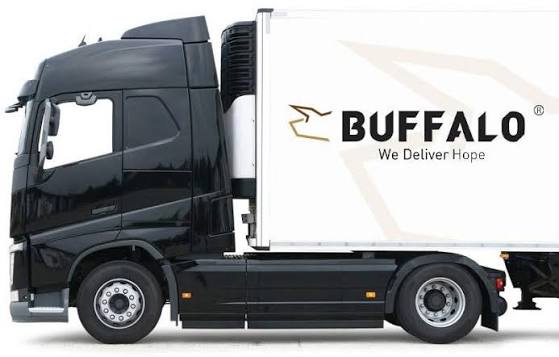
Buffalo Logistics Vacancies 2026: A Practical Guide to Logistics Careers, Requirements, Skills and Applications
Buffalo are relevant to South African job seekers interested in courier services, transportation, warehousing, distribution and supply chain operations. it is also known as Buffalo International Logistics, operates within the logistics sector and provides services connected to the movement and delivery of goods.
A career in logistics can suit people with different levels of education and experience. Entry level roles may focus on warehouse support, administration, customer service or delivery operations, while more experienced positions can involve fleet management, planning, finance, technology, sales or supply chain responsibilities. Because requirements differ between vacancies, candidates should always review the specific position rather than assuming that every Buffalo Logistics role has the same qualifications or salary. This guide explains the types of opportunities job seekers may encounter, useful skills to develop and practical steps for preparing an application.
Understanding Buffalo Logistics Vacancies 2026
Logistics companies depend on several teams working together to move goods efficiently from one location to another.
Buffalo Logistics related positions can potentially cover areas such as:
- Warehousing
- Transportation
- Distribution
- Customer service
- Administration
- Fleet operations
- Finance
- Sales
- Information technology
- Supply chain management
- Operations management
The exact positions available can change according to business requirements and location. Candidates should therefore check the current official recruitment information when looking for a specific opening.
A logistics vacancy in Johannesburg, Cape Town or Durban may also have different operational requirements from a position at a distribution facility or office in another location.
What Does a Logistics Employee Do?
The responsibilities of a logistics employee depend heavily on the position.
A warehouse employee may assist with receiving, organising and preparing goods, while an administrator may maintain records and support daily office processes.
A customer service employee may communicate with customers about deliveries, while an operations employee could coordinate activities between different parts of the logistics process.
Common responsibilities across logistics environments can include:
- Recording and updating information
- Supporting deliveries and collections
- Tracking goods
- Communicating with customers and colleagues
- Preparing documentation
- Supporting warehouse operations
- Maintaining accurate records
- Following established operational procedures
- Reporting issues to supervisors or relevant teams
Candidates should always use the official job description to determine the actual responsibilities of a particular vacancy.
Buffalo Logistics Vacancies Requirements
There is no universal qualification or experience requirement for all Buffalo Logistics positions.
The appropriate requirements depend on the job level and department.
Entry Level Positions
Some entry level logistics roles may focus more heavily on practical ability, reliability, communication and willingness to learn. A vacancy may specify Grade 12 or another minimum qualification.
Administrative Positions
Administrative roles may require Grade 12 together with computer literacy, administrative experience or other skills depending on the position.
Professional Positions
Specialist positions in areas such as finance, technology, human resources, supply chain or management may require a relevant diploma, degree, professional qualification or previous experience.
Driver and Transport Related Positions
Transport roles can have specific requirements related to the position, such as an appropriate driver’s licence, professional driving requirements or relevant experience where applicable.
Candidates should never assume that meeting the requirements of one logistics vacancy means they automatically qualify for another.
Skills That Can Help in Logistics Careers
Logistics is a practical industry where communication, organisation and attention to detail can be important.
Useful skills may include:
- Communication
- Time management
- Organisation
- Customer service
- Computer literacy
- Attention to detail
- Problem solving
- Teamwork
- Basic administration
- Planning
For warehouse and operations positions, employees may also need to understand workplace procedures and work effectively within a team.
For office based positions, computer and administrative skills may be particularly useful.
Candidates should only list skills they genuinely possess on their CV.
Salary Information for Buffalo Logistics Jobs
There is no single salary that applies to all Buffalo Logistics employees.
Remuneration can vary according to:
- Job title
- Experience
- Qualifications
- Location
- Department
- Level of responsibility
- Employment conditions
If an official vacancy provides a salary or salary range, candidates should use that information when evaluating the position.
Where a vacancy does not publish remuneration, PressJobs should not present an unverified figure as an official Buffalo Logistics salary.
For this reason, job seekers should be cautious when comparing salary figures found on different websites. A salary reported for one position should not automatically be applied to another role.
Buffalo Logistics Careers for Candidates With Different Backgrounds
One advantage of the logistics sector is that it contains several different career paths.
Someone interested in practical work may explore warehouse or operations positions. A person with strong communication skills may be interested in customer service or sales.
Candidates with administrative experience can consider office based roles, while people with qualifications in supply chain management may explore more specialised positions.
Technology is also increasingly important to logistics businesses. Software, tracking systems, data and digital communication all contribute to modern logistics operations.
This means logistics careers are not limited to warehouse work.
How to Prepare Your CV
A good CV should make it easy for a recruiter to understand your background.
For a logistics related position, consider including:
Contact information
Use a current telephone number and professional email address.
Education
List your relevant qualifications, starting with your most recent qualification.
Work experience
Describe previous employment clearly, including responsibilities that relate to the position.
Skills
Include genuine skills that match the vacancy.
Licences and certificates
Where relevant, include licences, certificates or training that are specifically applicable to the position.
Achievements
If you have measurable achievements from previous work, explain them clearly without exaggerating.
Keep the CV simple and easy to read. Avoid adding information that is not relevant to the position.
Application Tips for Buffalo Logistics Vacancies 2026
Candidates can improve the quality of their applications by taking a careful approach.
Read the full job description
Pay attention to the qualification, experience, location and responsibilities.
Check the closing date
If the vacancy provides a closing date, make sure you understand when applications must be submitted.
Check the location
Logistics jobs can be closely connected to warehouses, distribution centres and operational sites. Make sure you understand where the position is based.
Use accurate information
Never exaggerate qualifications or work experience.
Follow the stated application process
Use the recruitment method specified by the employer for the particular vacancy.
Review your application
Before submitting, check your contact information, spelling, employment history and qualifications.
Keep your application records
Record the position, location and date of your application so that you can keep track of your job search.
How to Identify Genuine Logistics Recruitment Information
Job seekers should take care when responding to online employment advertisements.
Before providing personal information, check:
- The company name
- The position title
- The location
- The application method
- The contact details
- The source of the vacancy
- Whether the information matches the employer’s official recruitment information
Candidates should not pay someone who promises to secure employment on their behalf.
If a vacancy appears suspicious or contains information that conflicts with the employer’s official recruitment channels, verify the details before continuing.
PressJobs provides career and vacancy information but does not make hiring decisions or guarantee employment.
Career Growth in Logistics
Logistics can provide several possible career paths.
With experience and relevant training, employees may eventually explore areas such as:
- Warehouse supervision
- Transport coordination
- Fleet management
- Operations management
- Supply chain planning
- Customer service management
- Administration
- Procurement
- Distribution management
Career progression depends on individual performance, qualifications, experience and the opportunities available within an organisation.
Candidates can support their long term development by improving computer skills, communication, problem solving and knowledge of logistics processes.
Why Logistics Remains an Important Career Field
South Africa’s retail, manufacturing, e commerce and distribution industries all depend on logistics networks.
Products need to move between suppliers, warehouses, businesses and customers. This creates demand for people working across transportation, warehousing, administration, customer service and supply chain functions.
The industry is also changing as businesses adopt technology to improve tracking, planning and communication.
For job seekers, this means logistics can offer a range of career directions rather than a single type of job.
Frequently Asked Questions
What are Buffalo Logistics Vacancies?
They are employment opportunities associated with Buffalo International Logistics and its different operational and business functions. Available positions and requirements can change over time.
Can Grade 12 candidates find logistics opportunities?
Some entry level positions may require Grade 12, but this depends on the specific vacancy. Candidates should check the advertised requirements.
Do logistics jobs require experience?
Some do and some do not. Experience requirements depend on the position and level of responsibility.
What skills are useful in logistics?
Communication, organisation, computer literacy, teamwork, time management and attention to detail can be useful across many logistics roles.
Does every Buffalo Logistics position have the same salary?
No. Salaries can differ according to the position, experience, qualifications and other employment conditions.
Where should candidates look for Buffalo Logistics opportunities?
Candidates should check the employer’s official recruitment information and verify that the vacancy and application method are genuine before submitting personal information.
Final Thoughts
Buffalo Logistics Vacancies 2026 can be relevant to South African job seekers interested in a broad logistics industry that includes transportation, warehousing, distribution, customer service, administration and supply chain functions.
The most important part of a job search is understanding the specific vacancy rather than relying on general assumptions about a company or industry. Requirements, salaries, locations and responsibilities can vary significantly between positions.
Candidates can prepare by keeping an accurate CV, developing practical workplace skills and carefully reviewing each vacancy before submitting an application. Those who are interested in logistics can also use entry level opportunities as a way to gain experience and gradually explore more specialised areas of the industry.