Job Interview Preparation in South Africa: A Practical 2026 Guide
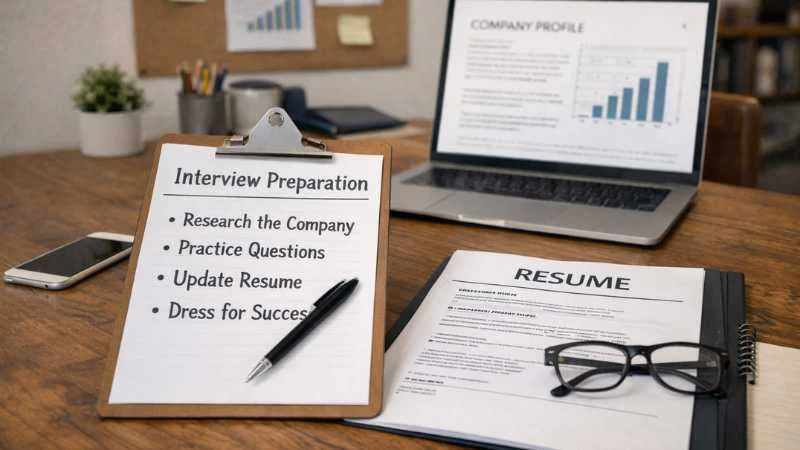
How to Prepare for a Job Interview in South Africa: Practical Tips to Help You Walk Into Your Next Interview Prepared
Knowing how to prepare for a job interview in South Africa can make the interview process feel more manageable and organised. Whether you are applying for your first job after Matric, an internship, a government position, a retail role or an experienced professional position, preparation can help you communicate your experience and understand what an employer is looking for.
A good interview is not about memorising perfect answers. It is about understanding the position, knowing your own experience and being able to explain how your skills relate to the work. Candidates should also remember that every employer has its own recruitment process. Some interviews may be conducted in person, while others may take place by telephone or video. Preparing for the specific position and checking the employer’s instructions can help you approach the interview with greater confidence.
Understand the Position Before the Interview
One of the first steps when learning how to prepare for a job interview in South Africa is to carefully read the vacancy advertisement.
Look beyond the job title and identify:
- The main responsibilities
- Required qualifications
- Experience requirements
- Important skills
- Location
- Employment type
- Working arrangements
- Any specific documents or certifications requested
Think about how your background relates to these requirements.
For example, if you are interviewing for an Administration Clerk position, you could prepare examples involving organisation, communication, computer use, record keeping or dealing with customers.
If you are interviewing for a retail position, examples involving customer service, teamwork and handling busy environments may be relevant.
Research the Employer
Researching an employer can help you understand the organisation before the interview.
Look at its official website and learn about:
- What the organisation does
- Its products or services
- The industry it operates in
- Its locations
- Its main business activities
- Recent developments where relevant
Do not try to memorise the entire website.
Instead, learn enough to explain why the position interests you and demonstrate that you understand the organisation.
For government positions, candidates should also understand the department or institution responsible for the role and become familiar with the purpose of the relevant unit.
Prepare for Common Interview Questions
Many interviews contain questions designed to understand a candidate’s experience, communication style, motivation and ability to perform the role.
Common questions include:
Tell me about yourself.
Keep your answer relevant to the position.
You can briefly explain your education, relevant experience, skills and what attracted you to the role.
Avoid giving your entire life story.
Why do you want this position?
Connect your answer to the actual responsibilities of the job.
For example, if you are applying for an administration role, you could explain that you are interested in developing your administrative skills and contributing to an organised workplace.
What are your strengths?
Choose strengths that are relevant to the position.
Examples could include:
- Organisation
- Communication
- Problem solving
- Teamwork
- Time management
- Attention to detail
Give a short example where possible.
What is one area you are working to improve?
Choose something genuine and explain what you are doing to improve it.
The purpose is not to present yourself as perfect. It is to demonstrate self awareness and willingness to develop.
Why should we consider you for this position?
Focus on the value you can bring based on your actual skills, qualifications and experience.
Avoid making claims that you cannot support.
Use Examples When Answering Questions
A useful way to structure interview answers is to explain:
Situation: What was happening?
Task: What were you responsible for?
Action: What did you do?
Result: What happened as a result?
This approach can be particularly useful for questions about teamwork, problem solving, customer service and dealing with difficult situations.
For example, instead of simply saying:
“I am good at customer service.”
You could explain a situation where you helped someone resolve a problem and describe the outcome.
Candidates without formal work experience can use relevant examples from:
- School projects
- College or university
- Volunteering
- Community activities
- Internships
- Learnerships
- Temporary work
The important point is to describe the experience honestly.
Prepare Your Documents
Depending on the employer and position, you may need documents during the recruitment process.
These can include:
- Updated CV
- Qualification certificates
- Identity document where requested
- Professional certificates
- Driver’s licence where relevant
- Portfolio or examples of work for applicable positions
Do not provide sensitive personal documents to an unknown person simply because they claim to be a recruiter.
Follow the employer’s official instructions and verify the recruitment process where necessary.
Plan Your Journey
If the interview is in person, check the location before the day of the interview.
Consider:
- How you will travel
- How long the journey may take
- Where the interview venue is located
- Parking or public transport arrangements
- How early you should leave
Aim to arrive with enough time to settle yourself before the interview.
Arriving extremely early can also create unnecessary waiting, so planning your journey carefully is more useful than simply arriving hours ahead of schedule.
Choose Appropriate Interview Clothing
Your clothing should be clean, neat and appropriate for the workplace.
The best choice can depend on the industry and position.
For a corporate position, professional business clothing may be appropriate.
For a retail, hospitality or operational role, neat and practical professional clothing may be more suitable.
The goal is to look prepared and presentable without allowing clothing to distract from the interview.
Prepare for Online Interviews
Some employers conduct interviews through video or telephone platforms.
For a video interview, check:
- Internet connection
- Camera
- Microphone
- Lighting
- Background
- Device battery
- Interview link
Test the platform before the scheduled interview.
Choose a quiet location where possible and make sure you know how to join the meeting.
If the employer provides specific instructions, follow those instructions rather than assuming that a particular platform will be used.
Think About Questions You Can Ask
At the end of an interview, you may be given an opportunity to ask questions.
Useful questions can include:
- What would the main priorities be in this position?
- What does a typical working day involve?
- How is performance assessed?
- What training is available for the role?
- What are the next stages of the recruitment process?
Choose questions that have not already been answered during the interview.
Asking a thoughtful question can also help you understand whether the position suits your career goals.
How to Prepare for a Job Interview With No Experience
First time job seekers often worry that they have nothing to discuss during an interview.
You can still prepare effectively.
Think about situations where you demonstrated:
- Responsibility
- Teamwork
- Communication
- Organisation
- Problem solving
- Time management
- Learning ability
School assignments, community activities, volunteering and internships can provide examples.
Do not claim that these experiences are formal employment if they were not.
Instead, explain what you actually did and what you learned.
Government Job Interview Preparation
Government interviews can have requirements that differ from private sector recruitment processes.
If you are interviewing for a public service position, review the vacancy carefully and understand:
- The department
- The directorate or unit
- The responsibilities
- The qualification requirements
- Relevant legislation or policies mentioned in the advertisement
- Public service principles relevant to the position
For a government administrative position, you may also encounter questions about customer service, confidentiality, record keeping, teamwork and public service responsibilities.
Prepare examples from your actual experience rather than memorising generic answers.
Retail and Customer Service Interviews
Retail interviews may focus on practical situations.
You could be asked how you would respond to:
- An unhappy customer
- A busy period
- A colleague who needs assistance
- A stock or pricing problem
- Multiple tasks at the same time
When answering these questions, demonstrate patience, communication and practical problem solving.
Avoid blaming customers or colleagues in your answers.
Interview Mistakes to Avoid
Preparation can also involve knowing what not to do.
Avoid:
- Arriving without knowing the position
- Providing false information
- Memorising answers word for word
- Speaking negatively about previous employers
- Interrupting the interviewer
- Ignoring questions
- Checking your phone during the interview
- Giving extremely long answers
- Failing to ask for clarification when you do not understand a question
If you do not understand a question, it is acceptable to politely ask the interviewer to repeat or clarify it.
Salary Questions During an Interview
Salary discussions can make candidates uncomfortable.
If asked about salary expectations, research the position and consider the level of responsibility, your qualifications and your experience.
You can provide a reasonable range if appropriate rather than presenting an unrealistic figure.
For advertised positions, always distinguish between a salary confirmed by the employer and information obtained from general salary research.
Do not assume that a salary published for one company or position applies to every similar job.
What to Do After the Interview
After the interview, make a note of important information while it is still fresh in your mind.
You can record:
- Questions you were asked
- Answers you gave
- Areas you could improve
- Information about the position
- Any stated next steps
If the employer provides a timeframe for feedback, allow that period to pass before making a follow up enquiry.
Frequently Asked Questions
How early should I arrive for an interview?
Plan to arrive with enough time to deal with travel delays and settle before the scheduled interview. The exact timing depends on the location and employer’s instructions.
What should I bring to a job interview?
This depends on the employer. An updated CV and relevant documents may be useful, but only bring or provide documents requested by the employer.
What should I wear?
Choose clean, neat clothing appropriate for the workplace and position.
What if I have no work experience?
Prepare examples from education, volunteering, internships, learnerships, community activities or other responsibilities that demonstrate relevant skills.
How should I answer “Tell me about yourself”?
Give a short, job related summary of your education, experience, skills and interest in the position.
Should I ask questions at the end of the interview?
If the interviewer invites questions, asking one or two relevant questions can help you understand the role and recruitment process.
Final Thoughts
Learning how to prepare for a job interview in South Africa is less about memorising impressive phrases and more about understanding the position, researching the employer and preparing honest examples from your own experience.
Read the vacancy carefully, prepare for common questions, organise your documents and plan the practical details of attending the interview. If you are applying for your first job, remember that examples from education, volunteering and other responsibilities can demonstrate useful skills when presented honestly.
Every interview is also a learning experience. Even when you are not selected, reflecting on the questions and your answers can help you become better prepared for future opportunities.